Does the Derek Jeter Jersey Cloak a Deeper Truth About Our Desires?
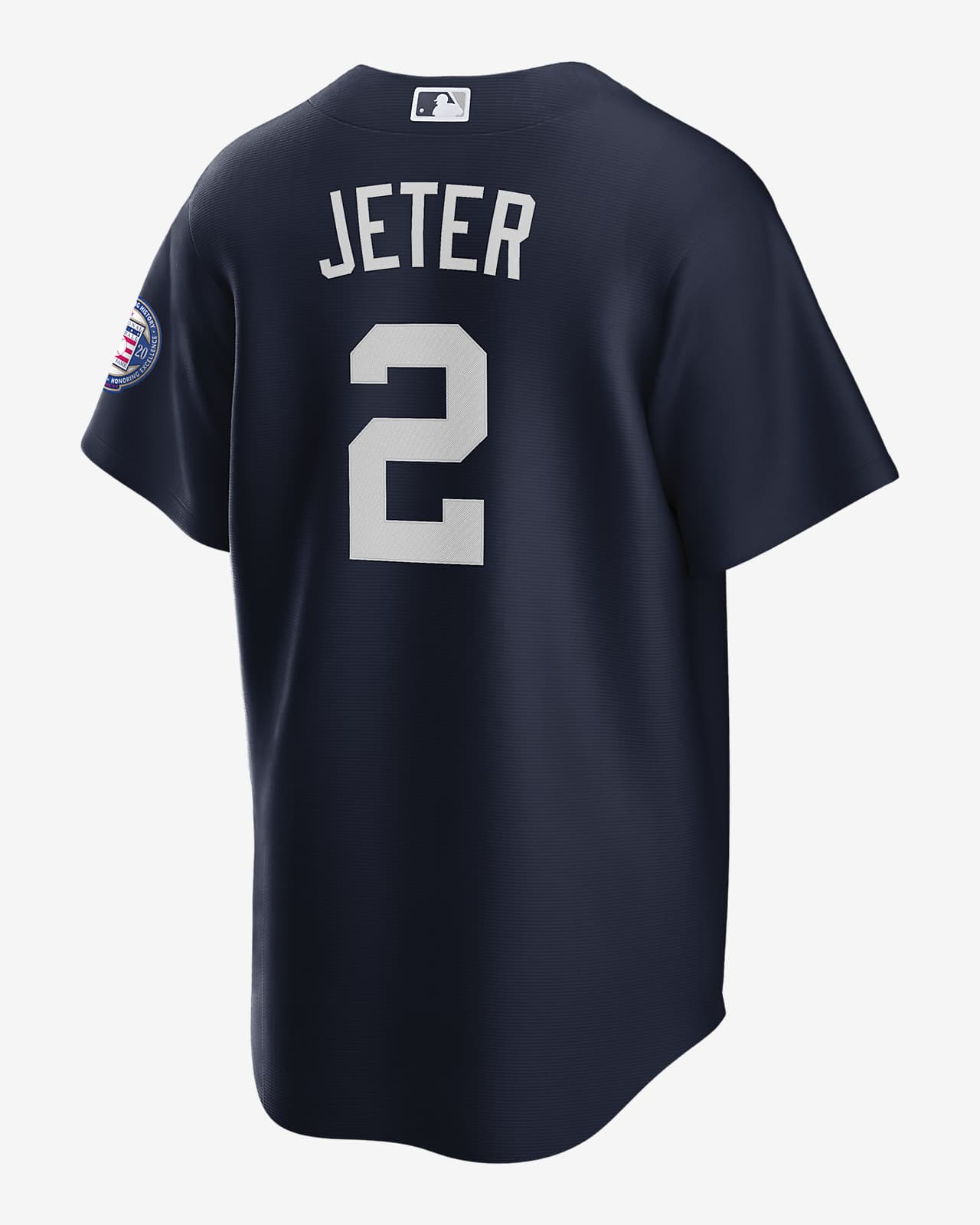
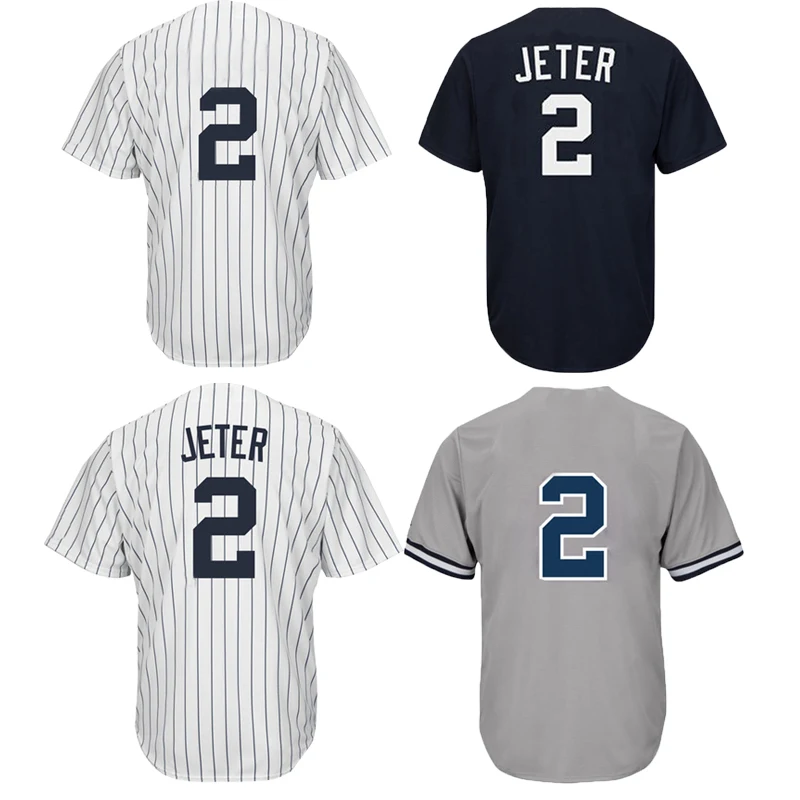
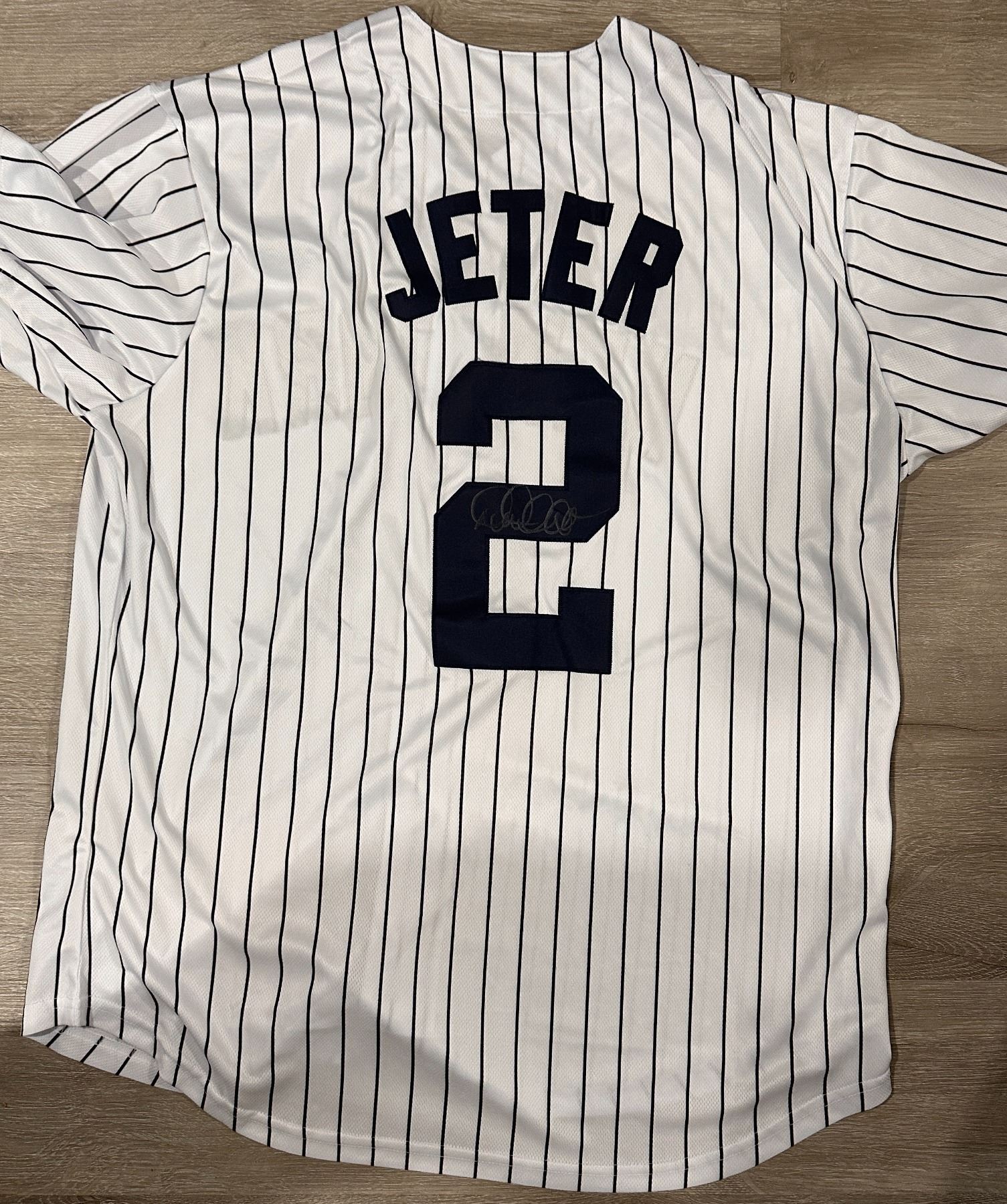
Look around. In countless homes, offices, and even in the most unexpected corners of the world, you’ll find it: the unmistakable navy pinstripes, the iconic number 2, the name “JETER” arched across the back. It’s more than just a piece of fabric; it’s a uniform, a statement, a relic. But what if this seemingly innocuous garment, the Derek Jeter jersey, isn’t just celebrating a legendary shortstop, but also subtly revealing something profound, perhaps even unsettling, about our collective desires, our economic systems, and the very fabric of modern identity? Can we truly appreciate the legacy without asking what we’re really buying into?
From the moment Derek Jeter first stepped onto the hallowed grounds of Yankee Stadium, he wasn’t just playing baseball; he was crafting a narrative. He was the stoic leader, the clutch performer, the embodiment of a certain old-school grit in an increasingly flashy league. His career, spanning two decades, was a masterclass in consistency, a relentless pursuit of excellence that culminated in five World Series championships and a near-unanimous induction into the Hall of Fame. To many, Jeter was the Yankees, and the Yankees were baseball. This profound connection, this almost spiritual alignment with a player and a team, is the bedrock upon which the entire edifice of sports fandom is built. And the jersey? It’s the most tangible, wearable expression of that allegiance.
But let’s pause for a moment. Take a step back from the roar of the crowd and the emotional pull of nostalgia. What exactly are we holding when we clutch that jersey? Is it just a tribute to a great athlete, or is it a carefully constructed product, imbued with layers of meaning by a multi-billion-dollar industry designed to tap into our deepest yearnings?
The Fabric of Commerce: What Are We Really Paying For?
Consider the price tag. An authentic MLB jersey can easily set you back upwards of $150, sometimes significantly more. This isn’t just about covering the cost of materials and labor; it’s about buying into a brand, a legacy, an emotion. But whose pockets does that money truly fill? We’re talking about a global sports merchandise market that generates tens of billions annually. This isn’t just a game; it’s an economic behemoth, a finely tuned engine of capitalism that converts passion into profit.
The journey of that jersey, from raw material to retail shelf, is a complex global ballet. The cotton might be sourced from one continent, spun and dyed in another, cut and sewn in a low-wage factory in Southeast Asia or Central America, then shipped across oceans to be sold in affluent markets. Do we ever stop to consider the hands that stitch those iconic pinstripes? The often-invisible labor force, working long hours for meager wages, far removed from the dazzling stadiums and lucrative endorsement deals? Major sports leagues and their merchandise partners, like Fanatics and Nike, operate within a globalized economy that prioritizes efficiency and cost-cutting, often at the expense of ethical labor practices. While specific data on MLB jersey manufacturing conditions can be opaque, reports from organizations like the Clean Clothes Campaign have consistently highlighted concerns about workers’ rights, living wages, and safe conditions within the broader apparel industry, including those supplying major brands. Isn’t it a curious contradiction that we celebrate heroes of fair play and hard work by supporting systems that might not always uphold those same values for their own workforce?
This isn’t to diminish the achievement of Derek Jeter, but rather to question the system that monetizes his legend. When we swipe our credit cards for that jersey, we’re not just funding the Yankees’ next big free agent; we’re participating in a vast economic ecosystem. Are we truly aware of the supply chains, the labor conditions, the corporate profits that underpin our expressions of fandom? Or do we willfully ignore them, blinded by the allure of the brand and the promise of belonging?
The Pinstripes of Identity: Who Are We When We Wear the Name?
Beyond the economics, the jersey serves as a powerful symbol of identity. Why do we wear another person’s name on our back? It’s an act of vicarious achievement, a declaration of loyalty, a desire to be part of something larger than ourselves. When you pull on that Jeter jersey, you’re not just wearing fabric; you’re donning a piece of history, an echo of greatness, a connection to a community of millions.
This need for collective identity is deeply ingrained in the human psyche. Sports teams, much like tribes of old, offer a sense of belonging, a shared purpose, and a common enemy. The jersey becomes a uniform for this modern tribe. But what does it mean when our tribal markers are mass-produced commodities? Does it dilute the authenticity of our connection, turning genuine passion into just another consumer choice?
Jeter, the "Captain," represented an ideal: unwavering commitment, humility, and a relentless pursuit of victory. He became a cultural touchstone, a figure many looked up to, not just for his athletic prowess but for his perceived character. This hero worship, however, is a double-edged sword. We project our ideals onto these athletes, elevating them to near-mythical status. The jersey then becomes a conduit for these projections, a way to physically embody the virtues we admire. But does this act of idolization, of wearing another’s name, subtly diminish our own sense of self? Does it encourage a passive consumption of greatness rather than an active pursuit of it in our own lives?
Consider the powerful pull of nostalgia. For many, the Jeter jersey isn’t just about the player; it’s about a specific era, a "golden age" of baseball, a time perhaps simpler or more personally significant. It evokes memories of childhood, of shared experiences with family and friends. This commodified nostalgia is incredibly potent. Marketers understand that they’re not just selling a product; they’re selling a feeling, a memory, a connection to a past that often feels more comforting than the present. But is this constant yearning for the "good old days" a healthy way to engage with our present reality? Does it prevent us from critically examining the current state of affairs, both in sports and society, by always looking backward through rose-tinted glasses?
Beyond the Pinstripes: A Critical Lens on Our Consumer Culture
The Derek Jeter jersey, then, becomes a fascinating microcosm of our broader consumer culture. We live in a world where identity is increasingly curated through brands, where self-expression is often equated with purchasing power. Are we truly expressing ourselves when we buy a mass-produced item, or are we simply conforming to a pre-packaged identity offered by corporations?
This isn’t just about sports; it’s about the pervasive nature of commercialism in every aspect of our lives. From our phones to our fashion, our entertainment to our aspirations, we are constantly being sold not just products, but lifestyles, dreams, and identities. The critical question isn’t whether we should buy a Jeter jersey, but why we feel such a compelling urge to do so. What deep-seated need does it fulfill? Is it a genuine expression of admiration, or is it a symptom of a society that often conflates material possessions with personal worth and belonging?

Think about the sheer volume of sports merchandise. Every year, new designs, new player jerseys, new commemorative items flood the market. This relentless cycle of consumption is unsustainable, both environmentally and economically. The fast-fashion mentality has crept into sports apparel, encouraging constant upgrades and new purchases, contributing to waste and resource depletion. Can we genuinely claim to be forward-thinking, to care about the future, while participating in systems that prioritize endless consumption over sustainability?
Moreover, the focus on individual player merchandise can sometimes overshadow the collective spirit of the game. While celebrating individual excellence is vital, does the hyper-commercialization of star players shift our focus away from the team, the community, and the fundamental joy of the sport itself? Does it foster a transactional relationship with sports, where loyalty is tied to individual performance and brand appeal, rather than the enduring spirit of competition and camaraderie?
The Future of Fandom: What’s Next for Our Desires?
As we look ahead, the trajectory of sports merchandise and fandom is only becoming more complex. We’re already seeing the rise of digital collectibles, NFTs, and virtual apparel in the metaverse. Will a digital Derek Jeter jersey hold the same emotional weight as a physical one? Or will it further abstract our connection to the game, turning tangible symbols into ephemeral data points? This emerging trend suggests an even deeper commodification of identity and passion, potentially creating new forms of exclusivity and digital divides.
The environmental consequences of constant production and consumption also loom large. As awareness of climate change grows, how will the sports industry adapt? Will we see a shift towards sustainable materials, ethical manufacturing, and circular economy models for sports apparel? Or will the relentless pursuit of profit continue to override environmental responsibility, leaving us with a future where our expressions of fandom contribute to a deteriorating planet?

We need to consider alternative perspectives. What if our passion for sports was channeled differently? What if the financial investment in merchandise was redirected towards supporting local youth leagues, ensuring access to sports for underprivileged communities, or investing in the long-term health and well-being of retired athletes? What if our collective energy was focused on advocating for ethical labor practices in the sports apparel industry, demanding transparency and accountability from the brands we support?
A Call to Conscious Fandom
The Derek Jeter jersey is more than just a souvenir. It’s a powerful artifact, a mirror reflecting our society’s values, our economic priorities, and our deepest desires. It embodies the allure of hero worship, the comfort of nostalgia, and the pervasive influence of consumer culture. But it also presents us with an opportunity – an opportunity to look beyond the surface, to question the narratives we’re sold, and to critically examine our own participation in these systems.
When we pull on that jersey, are we merely celebrating a legend, or are we unknowingly endorsing a complex web of economic disparities, labor practices, and consumption patterns? Can we truly be engaged, thoughtful fans if we don’t consider the full story woven into the fabric of our fandom? Let’s not let the emotional pull of the game blind us to the broader implications of our choices. Let’s demand more from the industries we support, and perhaps more importantly, let’s demand more from ourselves. The legacy of Derek Jeter deserves to be celebrated, but our devotion to him, and to the game, should also inspire a deeper, more conscious engagement with the world around us. Because ultimately, the story of that jersey isn’t just about a player or a team; it’s about us, and the choices we make, one pinstriped thread at a time.